
Tour group travel essentials: your complete packing guide
TL;DR:
- Pack light and coordinate communal items early to ensure a smooth group tour experience.
- Carry essential documents and medications in your carry-on to prevent delays and luggage issues.
Tour group travel essentials are the carefully selected items and strategies that keep you comfortable, organised, and prepared throughout a group excursion. Group tours typically demand 10,000–20,000 steps daily, which makes footwear and clothing choices far more consequential than most travellers expect. The standard luggage guideline for group tours is one 40–45L rolling bag plus a daypack. For shared supplies like sunscreen, the recommended ratio is one large bottle per three people. Get these fundamentals right before you think about anything else.
1. What are the top clothing and footwear essentials for group tours?
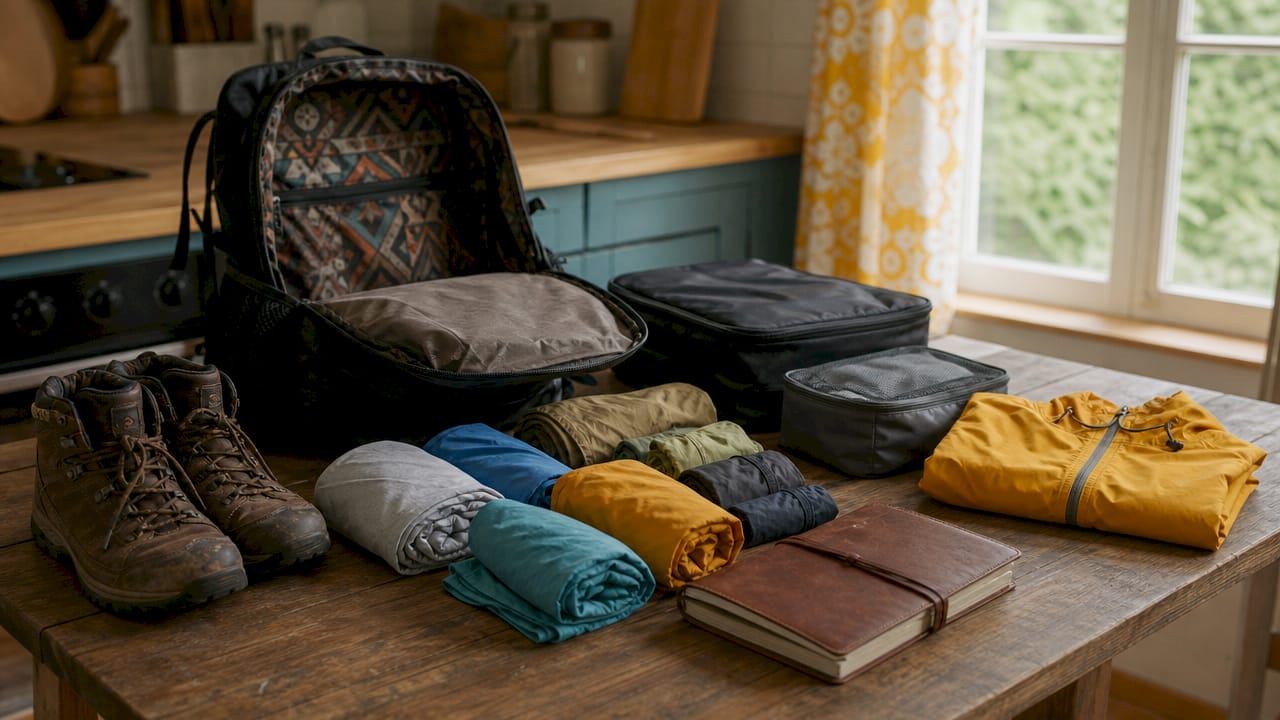
Clothing for group tours must balance comfort, versatility, and practicality. You will walk more than you expect, and your outfit choices directly affect how you feel by day three.
The most effective approach is to build a capsule wardrobe of neutral basics. Pack four to five tops, two to three bottoms, and one light jacket that works across climates. Neutral colours mix and match easily, which means fewer garments cover more combinations. Planning outfits around key events first, then filling in with a versatile rotation, keeps your suitcase lean without sacrificing style.
Footwear is the single most important gear decision on a group tour. With daily step counts reaching 20,000 on active itineraries, shoes that have not been broken in will cause blisters within two days. Wear your walking shoes on several long outings before departure. Bring one additional pair for evenings or more formal occasions, but keep it to two pairs total.
- Pack wrinkle-resistant fabrics that photograph well and dry quickly overnight.
- Choose moisture-wicking base layers for warm-weather destinations.
- Bring a compact rain jacket that folds into its own pocket.
- Avoid jeans for walking days. They are heavy, slow to dry, and restrictive.
- Limit yourself to two pairs of shoes maximum to stay within luggage limits.
Pro Tip: Plan your outfits backwards. Start with the one or two photo-worthy moments on your itinerary, build those looks first, then fill the gaps with your everyday rotation. You will pack fewer pieces and wear everything you bring.
2. Which personal items and documents are must-haves on group tours?
Personal documents and health items are non-negotiable on any group trip. Losing access to either can derail your entire experience, not just an afternoon.
Carry these in a secure, accessible location at all times:
- Passport and a government-issued photo ID.
- Travel insurance documents, both digital and printed copies.
- Prescribed medications in their original labelled containers, with a buffer supply of at least three extra days.
- A compact personal first-aid kit with pain relievers, blister plasters, and antihistamines.
- Phone, charging cable, universal power adapter, and a power bank with enough capacity for a full day of use.
- A small notebook and pen for tour notes, local addresses, and emergency contacts.
A carry-on survival kit is the most underrated item on any group travel packing list. Pack a fresh change of clothes, your medications, and basic toiletries in your carry-on. This kit sustains you for 24–48 hours if your checked luggage is delayed or lost. Most travellers only think about this after it happens to them.
Pro Tip: Store digital copies of every document in a cloud folder you can access offline. Share the folder link with one trusted person at home. If your phone is lost, you can still access everything from any device.
3. How to efficiently pack and organise shared group items
The most common mistake in group travel is failing to coordinate communal gear before departure. Assigning communal categories at least two weeks before travel prevents duplication, reduces bulk, and eliminates the frustration of discovering three people packed the same first-aid kit.
The most effective method is to use a shared digital tool. A Google Sheet with columns for item, quantity, and assigned person takes ten minutes to set up and saves hours of confusion. Apps like TripIt offer similar shared checklist functionality for groups who prefer a dedicated travel platform. Whichever tool you choose, every group member needs access and a clear responsibility.
Communal items to divide among the group include:
- Sunscreen: one large bottle per three people, distributed across multiple bags.
- A group first-aid kit with bandages, antiseptic wipes, and common medications.
- Portable phone chargers and multi-port USB hubs for shared use on the bus.
- Snacks for transit days, divided by person to avoid one bag carrying everything.
- A reusable shopping bag for group purchases or market days.
Distributing shared items across different travellers’ bags is a critical risk-management step. If one suitcase is delayed or lost, the group retains access to most of its communal supplies. Never pack all the sunscreen, all the medication, or all the snacks in one person’s bag.
Pro Tip: Designate one small bag or packing cube as the “group kit” that travels in the most accessible luggage. On a bus tour, this bag rides in the overhead compartment so the whole group can reach it during transit.
4. What are the best types of luggage and day bags for group travel?
Luggage choice determines how easily you move through airports, hotels, cobblestone streets, and staircases. The right bag makes every transition faster and less tiring.
The standard recommendation for group tours is one carry-on-sized rolling bag in the 40–45L range plus a daypack. This combination fits most airline overhead bins, moves quickly through transit, and keeps you self-sufficient. Larger checked bags slow down the group at every stop and create dependency on luggage handling that is not always available.
For your daypack, choose a bag with a hip belt if your tour involves significant walking or uneven terrain. Hip belts transfer weight from your shoulders to your hips, which reduces fatigue on long days. A 20–25L daypack fits a water bottle, a light layer, your documents, and a camera without becoming cumbersome.
Packing cubes are the single best organisational tool for group travel. They compress clothing, separate clean from worn items, and make repacking at each hotel fast. Compression bags work well for bulkier items like jackets. For group transportation logistics, having your bag organised internally means you can access what you need without unpacking everything in a shared space.
Lightweight, hard-shell rolling bags handle cobblestones and stairs better than soft-sided bags of equivalent weight. Spinner wheels on all four corners are worth the slight weight premium on city-heavy itineraries.
Pro Tip: Always pack a lightweight foldable tote in your daypack. It weighs almost nothing, takes up no space, and becomes invaluable for souvenirs, market shopping, or carrying extras when your daypack is full.
5. Which miscellaneous items improve comfort on group tours?
Smaller comfort items have an outsized effect on how you experience a group trip. They are easy to overlook during packing and hard to find once you are on the road.
A reusable water bottle is the most universally useful item on any group travel must-haves list. Refill stations are widely available in most destinations, and staying hydrated directly affects your energy and mood on high-step days. Choose an insulated bottle that keeps water cold for at least eight hours.
Earplugs and an eye mask are non-negotiable for shared accommodation situations. Group tours often mix early risers with late sleepers, and a single disruptive night affects the next full day of activity. A travel pillow adds meaningful comfort on long coach or flight segments. A stain remover pen handles the inevitable coffee or sauce incident without requiring a full laundry stop.
Additional items worth including:
- A multi-port USB charging hub for hotel rooms where outlets are limited.
- A power bank with at least 10,000 mAh capacity for full-day coverage.
- A universal power adapter that covers North American, European, and UK plug types.
- A small deck of cards or a compact game for downtime at the hotel or during long transit.
- A dry bag or waterproof pouch for electronics on rainy days or water-adjacent activities.
For groups travelling across different transport options, having these comfort items packed in your daypack rather than your checked bag means you have them available regardless of where your main luggage ends up.
Key takeaways
The single most important principle in group tour packing is this: pack light, coordinate communal items early, and keep your critical documents and medications in your carry-on at all times.
| Point | Details |
|---|---|
| Footwear is the top priority | Break in walking shoes before departure. Group tours average 10,000–20,000 steps daily. |
| Stick to the luggage standard | One 40–45L rolling bag plus a daypack keeps you mobile and self-sufficient throughout the tour. |
| Coordinate communal gear early | Assign shared items like sunscreen and first aid at least two weeks before departure using a shared digital tool. |
| Distribute shared items across bags | Spread communal supplies across multiple travellers’ bags so a single lost suitcase does not leave the group without essentials. |
| Pack a carry-on survival kit | Include medications, a change of clothes, and toiletries in your carry-on to cover 24–48 hours of luggage delays. |
What I’ve learned from watching groups pack for tours
Group travel packing advice tends to focus on what to bring. The harder lesson is learning what to leave behind, and why that decision is more consequential than most travellers realise.
I have watched groups arrive at a tour departure point with oversized suitcases, assuming someone else will handle the heavy lifting. No one carries your luggage on a group tour. You carry it up hotel stairs, across train platforms, and through airport terminals. That reality changes every packing decision once you have experienced it firsthand.
The other pattern I see repeatedly is groups skipping the communal coordination conversation until the day before departure. At that point, it is too late to realise three people packed sunscreen and nobody packed a first-aid kit. The groups that travel well are the ones who spend thirty minutes on a shared spreadsheet three weeks out. That single conversation prevents the majority of packing conflicts and redundancies.
My honest advice: plan your outfits around two or three key moments on the itinerary, build your rotation from there, and be ruthless about cutting anything that does not serve a clear purpose. Flexibility matters more than any specific item. The travellers who adapt best to lost luggage, changed itineraries, and unexpected weather are the ones who packed light enough to move freely in the first place.
— Firoz
Group transportation that complements your packing plan
Getting your gear sorted is only half the equation. How your group moves between destinations shapes the entire experience, including how you manage luggage, access communal supplies, and stay on schedule.

Torontobusrentals provides Toronto school bus rentals and minibus options designed for groups of all sizes, from school trips and corporate outings to multi-day excursions. Professional drivers, modern coaches, and generous luggage capacity mean your group travels together without the stress of coordinating separate vehicles. When your transportation is sorted, your group can focus on the experience rather than the logistics.
FAQ
How many steps should I expect to walk on a group tour?
Group tour participants typically walk between 10,000 and 20,000 steps per day. Breaking in your walking shoes well before departure is the most effective way to prevent blisters and fatigue.
What is the recommended luggage size for group tours?
The standard recommendation is one carry-on-sized rolling bag in the 40–45L range plus a daypack. This keeps you mobile across all types of transit and terrain without relying on luggage handling services.
How should a group divide communal items like sunscreen?
Use a shared digital tool such as a Google Sheet to assign communal items to specific travellers at least two weeks before departure. The recommended ratio for sunscreen is one large bottle per three people, distributed across different bags.
What should go in a carry-on survival kit?
Pack a fresh change of clothes, all prescribed medications in their original containers, and basic toiletries. This kit covers 24–48 hours of independent travel if your checked luggage is delayed or lost.
When should a group start coordinating shared gear?
Assign communal gear responsibilities at least two weeks before the departure date. Last-minute coordination leads to duplication, forgotten items, and unnecessary bulk in individual bags.
Recommended
- Group travel planning: your complete 2026 guide
- Wedding travel safety tips: a practical guide for 2026
- Must-have motor coach amenities for group travel