
School Trip Bus Rental Guide for Safe Group Travel
Booking transportation for a school trip in Toronto is more than just picking the first affordable bus you find. Balancing tight budgets with student safety and comfort demands keen attention to detail, especially with the strict national regulations that govern school buses and large vehicles across Canada. This guide walks you through each step of the bus rental process, from assessing your group’s needs to verifying insurance, making sure your next educational outing is both secure and cost-effective.
Table of Contents
- Step 1: Assess Trip Requirements And Passenger Needs
- Step 2: Research Bus Rental Providers In Toronto
- Step 3: Request Quotes And Confirm Service Details
- Step 4: Verify Safety Standards And Insurance
- Step 5: Finalize Booking And Communicate Logistics
Quick Summary
| Key Takeaway | Explanation |
|---|---|
| 1. Assess trip requirements | Determine the number of students and adults, trip duration, and special needs before booking. |
| 2. Research reliable providers | Look for bus companies experienced with school trips and check safety credentials. |
| 3. Obtain clear quotes | Request detailed quotes specifying all costs and services included to avoid hidden fees. |
| 4. Verify safety documentation | Ensure rental companies provide current safety inspection and insurance documents. |
| 5. Communicate logistics clearly | Share all trip details and emergency contacts with staff and volunteers ahead of time. |
Step 1: Assess trip requirements and passenger needs
Before booking any bus, you need to understand exactly what your school trip demands. This step sets the foundation for everything that follows—from choosing the right vehicle to ensuring student safety and comfort. Spend time documenting your trip specifics rather than making assumptions.
Start by answering these core questions about your trip:
- What is the total number of students and staff attending?
- How many adults will accompany the group for supervision?
- What is the age range of passengers (primary vs. secondary students)?
- How long will the trip last (day trip, overnight, multi-day)?
- What is the distance and terrain (city roads, highway, rural areas)?
- Will students need luggage space for overnight stays?
- Are there students with mobility challenges or special accessibility needs?
- Do any students have medical conditions requiring specific accommodations?
Knowing your exact headcount matters tremendously. A bus with 48 seats feels very different when you have 52 people including teachers and parent volunteers. You’ll need to account for staff supervision ratios required by your school board and ensure adults have seats designated for them—they cannot sit on the floor or stand during transit.
Calculate your needs accurately: one bus holds different capacities, so padding your numbers or underestimating can create safety and comfort problems during the trip.
Consider passenger comfort requirements beyond just seat count. younger students may need more bathroom breaks and rest stops. If your trip includes students with physical disabilities, you’ll want a bus with wheelchair accessibility features or lower entry steps. Some students get motion sickness, which means you might prioritise essential bus rental tips for successful events to understand ventilation and suspension quality.
Document any dietary restrictions, allergies, or medical needs that might affect seating arrangements or emergency protocols. Students with anxiety may need to sit near teachers. Those prone to car sickness benefit from forward-facing seats and window access.
Next, evaluate your trip’s timeline. A quick museum visit has different requirements than a full-day outdoor education program. Long trips mean more washroom access becomes critical. The season and weather also matter—winter trips require different heating and emergency equipment than summer outings.
Finally, calculate your budget constraints realistically. School trip funds are often limited, and understanding exactly what you need helps you get accurate quotes from rental companies and identify where you might need to adjust expectations or seek additional fundraising.
Here is a summary of how trip type affects bus rental considerations:
| Trip Type | Key Planning Concern | Comfort Detail | Budget Note |
|---|---|---|---|
| Day trip | Schedule precision | Fewer rest stops | Lower overall cost |
| Overnight trip | Extra luggage space | Increased bathroom access | Higher transport cost |
| Multi-day trip | Multiple stops, flexibility | Heating/AC depending on season | May require fundraising |
| Rural travel | Bus suspension, durability | Fewer amenities | Possible extra fuel cost |
Pro tip: Create a detailed trip profile document listing all requirements and share it with your bus rental coordinator—this single document prevents miscommunications and ensures the company quotes you the exact vehicle that matches your actual needs, not their assumptions.
Step 2: Research bus rental providers in Toronto
Now that you understand your trip requirements, it’s time to find rental companies that can actually deliver what you need. Toronto has several bus rental options, so comparing them carefully ensures you get safety, reliability, and value for your school’s budget.
Start by identifying which companies operate in Toronto and specialise in school group travel. Look for providers with experience transporting students, not just corporate clients or tour groups. School trips have unique demands around supervision, safety protocols, and passenger comfort that aren’t always standard for other rental types.
When researching providers, focus on these key factors:
- Years in business and reputation within Toronto schools
- Fleet size and variety (do they have buses that match your headcount?)
- Safety certifications and driver qualifications
- Insurance coverage and liability limits
- Fleet maintenance records and vehicle age
- Accessibility features for students with mobility needs
- Customer reviews from other schools (ask for references)
- Pricing transparency and what’s included in quotes
Visit company websites and check what services they actually offer. Some providers focus on charter services, while others handle school contracts regularly. Understanding bus rental options in Toronto helps you see what the industry standard looks like and what questions to ask.
Make direct contact with at least three providers. Don’t rely solely on websites. Call and speak with someone who can answer specific questions about your trip. Describe your requirements in detail and ask how they would accommodate your group. Listen carefully to their responses—do they ask clarifying questions about your needs, or do they just quote a price?
The cheapest quote isn’t always the best value. A company that understands your trip requirements and offers appropriate solutions protects both your budget and your students’ safety.
Request written quotes from each company that break down what’s included. Does the price cover fuel, tolls, parking at your destination, driver gratuity expectations, or extra stops for washroom breaks? Hidden costs appear after booking when you haven’t clarified these details upfront.
Ask each provider about their cancellation policies, insurance requirements, and emergency procedures. What happens if a bus breaks down during your trip? Do they have backup vehicles? How do they communicate with you if issues arise?
Check whether they require deposits and payment timelines. Most school groups need flexibility with payment scheduling to match fundraising efforts and school budget cycles.
The following table outlines differences between school-focused and general bus rental companies:
| Aspect | School Bus Specialist | General Rental Provider |
|---|---|---|
| Safety Protocols | Tailored for student groups | Standard protocols only |
| Staff Training | Certified for children | Regular driver certification |
| Fleet Features | Accessibility options, high supervision | Standard amenities, less focus on youth |
| Pricing Structure | Education budget flexibility | Fixed pricing, less flexible |
Pro tip: Request references from at least two schools that used the provider for similar trips, then actually call those schools and ask about their experience—this conversation reveals details no website marketing copy will share.
Step 3: Request quotes and confirm service details
With a shortlist of providers in hand, it’s time to request detailed quotes that match your specific trip. A solid quote gives you pricing clarity and becomes the foundation for your booking contract, so getting this step right prevents surprises later.
When you contact rental companies, provide complete trip information upfront. Vague requests result in vague quotes that don’t reflect your actual needs. Share these details in your initial request:
- Exact number of students and staff (include supervision ratios)
- Trip date, departure time, and return time
- Pick-up and drop-off locations in Toronto
- Destination address and any stops along the route
- Trip duration and whether overnight accommodation is needed
- Any special requirements (wheelchair accessibility, extra luggage space)
- Preferred bus size and seating configuration
Request written quotes that break down costs clearly. The quote should specify what’s included in the price and what costs extra. Hidden fees appear when washroom stops, tolls, or parking weren’t discussed upfront. Ask whether fuel, driver gratuity, insurance, and administrative fees are bundled or separate.
A transparent quote lists each cost component separately so you understand exactly where your school’s money goes.
Once you receive quotes, compare them carefully alongside service details. Understanding chartering buses for Toronto events helps you evaluate whether pricing aligns with standard market rates and what value-adds different companies offer.
Before confirming a booking, verify critical service details with the provider. Ask about their safety certifications, driver training requirements, and insurance coverage limits. Clarify what happens if weather or traffic causes delays. Do they have contingency plans if a vehicle breaks down mid-trip?
Review contract terms carefully, including cancellation policies and refund conditions. Schools sometimes need flexibility if enrolment changes or funding falls through. Ask whether the company offers credits for cancellations or rebooking options.
Confirm payment terms and deposit requirements. Most providers request a deposit to hold your date, with the balance due before the trip. Check whether your school’s payment schedule aligns with their requirements. Some companies accommodate instalment plans for school groups.
Request confirmation in writing of all agreed details. This written confirmation should match your trip requirements exactly and become your reference point if questions arise later.
Pro tip: Before signing any contract, request that the specific bus model, driver name (if known), and exact pick-up time be documented in writing—these details prevent last-minute surprises and give you recourse if the company provides a different vehicle or driver than promised.
Step 4: Verify safety standards and insurance
Before you sign anything, you need to confirm that the rental company meets all safety requirements and carries proper insurance. This step directly protects your students, your school, and your budget from liability issues that could arise during the trip.
Ask the rental company to provide documentation of their safety credentials. Request copies of their certifications, maintenance records, and driver qualifications. Don’t accept verbal assurances—get everything in writing and review it carefully.
Key safety documentation to request includes:
- Current vehicle safety inspection certificates
- Proof of regular maintenance and inspection schedules
- Driver training certifications and background checks
- Safety compliance with Transport Canada regulations
- Emergency equipment onboard (first aid kits, fire extinguishers)
- Passenger safety features (seatbelts, emergency exits)
- Company insurance certificates and policy details
Understanding mandatory safety regulations for school buses helps you verify that any provider you choose meets national standards for passenger safety and vehicle maintenance. These regulations exist specifically to protect groups like yours.
Verify the company’s insurance coverage thoroughly. Ask them to provide proof of liability insurance with coverage limits that protect your school. Most schools require minimum coverage of at least $5 million for passenger liability. Request that your school be named as an additional insured on their policy if possible.
Confirm what types of incidents their insurance covers. Does it include accidents, medical emergencies, or vehicle breakdown? Ask about deductibles and whether the company has contingency insurance if their primary policy doesn’t cover a claim.
Proper insurance doesn’t prevent accidents, but it protects your school’s finances if something goes wrong during the trip.
Ask the rental company about their safety protocols for emergencies. What’s their procedure if a student becomes ill during the trip? How do they communicate with you if the bus breaks down? Do drivers carry first aid certification? Are there emergency contact procedures documented?
Request information about the drivers assigned to your trip. Will you have the same driver for the entire trip, or could they change? Ask about their experience with school groups and any additional training they’ve completed.
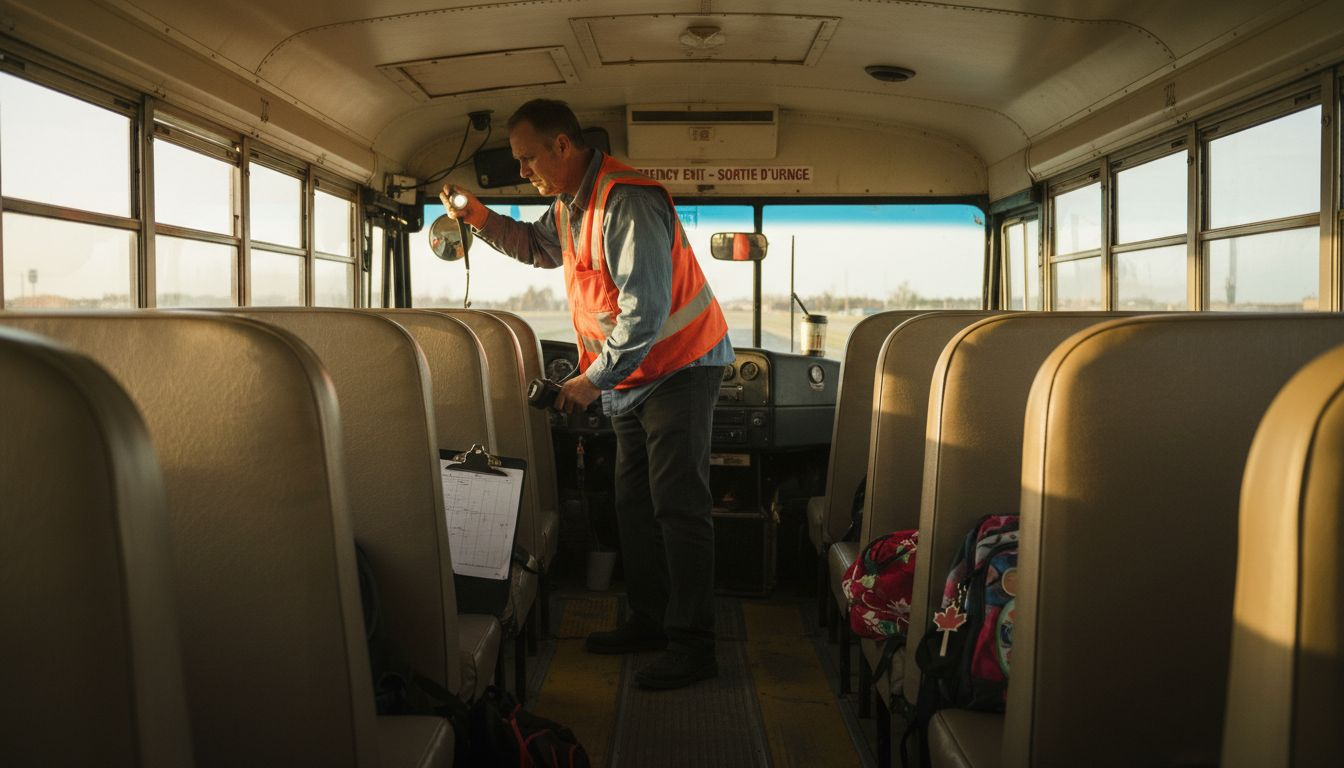
Before finalising your booking, review all documentation once more. If anything appears missing or unclear, contact the company for clarification. Safety documentation should never feel like something they’re reluctant to share.
Pro tip: Request written confirmation that the bus assigned to your trip has passed its safety inspection within the last 30 days and ask for the specific inspection report number—this creates accountability and ensures you’re getting a properly maintained vehicle.
Step 5: Finalize booking and communicate logistics
You’re nearly at the finish line. Now it’s time to lock in your booking, handle payment, and ensure everyone involved knows exactly what to expect on trip day. Clear communication at this stage prevents confusion and last-minute problems.
Sign your contract carefully and keep a copy for your records. Review every detail one final time before signing—trip date, time, pickup location, destination, passenger count, vehicle specifications, and pricing. If anything differs from your agreement, request corrections in writing before you sign.
Confirm your payment schedule and submit the required deposit. Keep receipts and payment confirmations organized in a folder. Document the name and contact information of your primary contact at the rental company.
Once your booking is confirmed, reviewing key information for event coordination helps you organise all the details you’ll need to communicate with your school community and manage the trip logistics smoothly.
Create a communication timeline for sharing trip details with parents and staff:
- Two weeks before trip: Send parents the pickup time, departure time, and expected return time
- One week before trip: Confirm final student count and any last-minute changes with the rental company
- Three days before trip: Distribute emergency contact information and driver details to all staff
- Day before trip: Send reminder emails with parking instructions and any special instructions
Prepare a detailed logistics document that includes the bus company’s phone number, driver information, route details, and emergency contact procedures. Share this with all supervising adults and keep it accessible during the trip.
When every adult on your trip knows the plan and has emergency contacts, you can respond quickly and confidently if unexpected situations arise.
Confirm final details with the rental company 48 hours before your trip. Verify the pickup location, time, and specific bus model. Ask for the driver’s name and contact number so you can reach them if needed.
Brief your staff and parent volunteers about the trip logistics before the day arrives. Explain seating arrangements, supervision responsibilities, bathroom break procedures, and what to do in case of emergencies. Make sure everyone knows who the primary contact is at the rental company.
Prepare your students appropriately based on their age and the trip length. Younger students benefit from knowing what the bus experience will be like. Older students should understand basic safety expectations and behavioural guidelines.
Pro tip: Create a shared document or group chat with all supervising adults that includes the bus company’s contact number, driver details, route information, and emergency procedures—this ensures everyone has critical information immediately available if you need to communicate during the trip.
Ensure Your School Trip Success with Trusted Bus Rental Services
Planning a safe and comfortable school trip involves careful attention to details like passenger needs, safety standards, and clear communication. If you want to avoid surprises and enjoy peace of mind, partnering with a rental provider who truly understands these challenges is essential. Toronto Bus Rentals specialises in helping schools meet all these specific requirements with professional drivers, modern motor coaches, and a fleet designed to accommodate groups of any size, including accessible options.

Take control of your next school trip by choosing reliable bus rental services that prioritise student safety, comfort, and budget transparency. Visit Toronto Bus Rentals today to explore your options, get custom quotes, and access expert advice on navigating bus rentals for school outings. Don’t leave your group travel to chance — secure your booking now and create a memorable, hassle-free experience for your students and staff.
Frequently Asked Questions
How do I assess the requirements for a school trip bus rental?
Before renting a bus for a school trip, carefully evaluate your group’s needs. Document the total number of students and staff, the trip duration, and any special requirements like accessibility needs or dietary restrictions. Create a checklist to ensure you capture all relevant details.
What factors should I consider when researching bus rental providers?
When researching bus rental providers, prioritise companies with experience in school group travel. Evaluate their safety records, fleet size, and customer reviews related to transporting students. Compile a list of potential providers and compare their safety protocols and facilities.
How do I request quotes from bus rental companies?
To request quotes, clearly communicate all trip details, including dates, locations, and the specific needs of your group. Request written quotes that outline costs, what’s included, and any additional fees. Keep track of your communications to compare offers effectively.
Why is it important to verify safety standards and insurance before booking a bus?
Verifying safety standards and insurance protects students and the school from liability issues during the trip. Ensure the company can provide documentation of vehicle safety inspections and driver qualifications. Request this information in writing to confirm that safety regulations are being met.
What logistics should I communicate to supervising adults before the trip?
Before the trip, thoroughly brief supervising adults on the logistics, including pick-up times, emergency contact procedures, and seating arrangements. Distribute a document with critical information such as the bus company’s contact details and driver information. Schedule a meeting to discuss supervisor roles and expectations well in advance.
How can I prepare students for a school bus trip?
Prepare students by sharing information about what to expect on the bus and the duration of the trip. Explain rules for behaviour and the importance of safety while travelling. Organise an engaging pre-trip discussion or activity to help students feel comfortable and informed.
Recommended
- Bus Rental for Tourists: Safe and Flexible Group Travel
- Group Transportations & Shuttle Services | Toronto Bus Rentals
- 7 Essential Bus Rental Tips for Successful Events
- Guide to Chartering Buses for Toronto Events