
School bus rental in Toronto: how to choose the right option
Organising group transportation for school trips or events in Toronto often feels overwhelming, especially when faced with countless options promising safety and reliability. Many assume all group transport services deliver the same results, but licensed school bus rental stands apart through strict regulatory standards, professional drivers, and cost-effective solutions tailored specifically for student groups and educational events. This guide clarifies what school bus rental truly entails, explores accessibility features meeting AODA compliance, and provides practical strategies for Toronto event organisers and school administrators seeking dependable transportation that prioritises safety without breaking budgets.
Table of Contents
- Key takeaways
- Understanding school bus rental: what it is and why it matters
- Accessibility and special considerations for inclusive transportation
- Choosing the right school bus rental for Toronto events and schools
- Common challenges and smart solutions in school bus rentals
- Reliable school bus rental solutions for your Toronto group transportation needs
- Frequently asked questions
Key Takeaways
| Point | Details |
|---|---|
| Regulatory standards | Licensed school buses operate under Ontario safety regulations with professional drivers, rigorous inspections, and strict maintenance to ensure safety and accountability. |
| Capacity options | Typical buses carry 44 to 72 passengers, with 47 seat configurations common for mid sized student groups. |
| Accessibility features | Accessible models include wheelchair lifts, securement systems, and modified seating to accommodate mobility needs while preserving safety standards. |
| Booking early | Booking with licensed providers in advance helps ensure regulatory compliance, reliable service, and cost effective transportation for student groups. |
Understanding school bus rental: what it is and why it matters
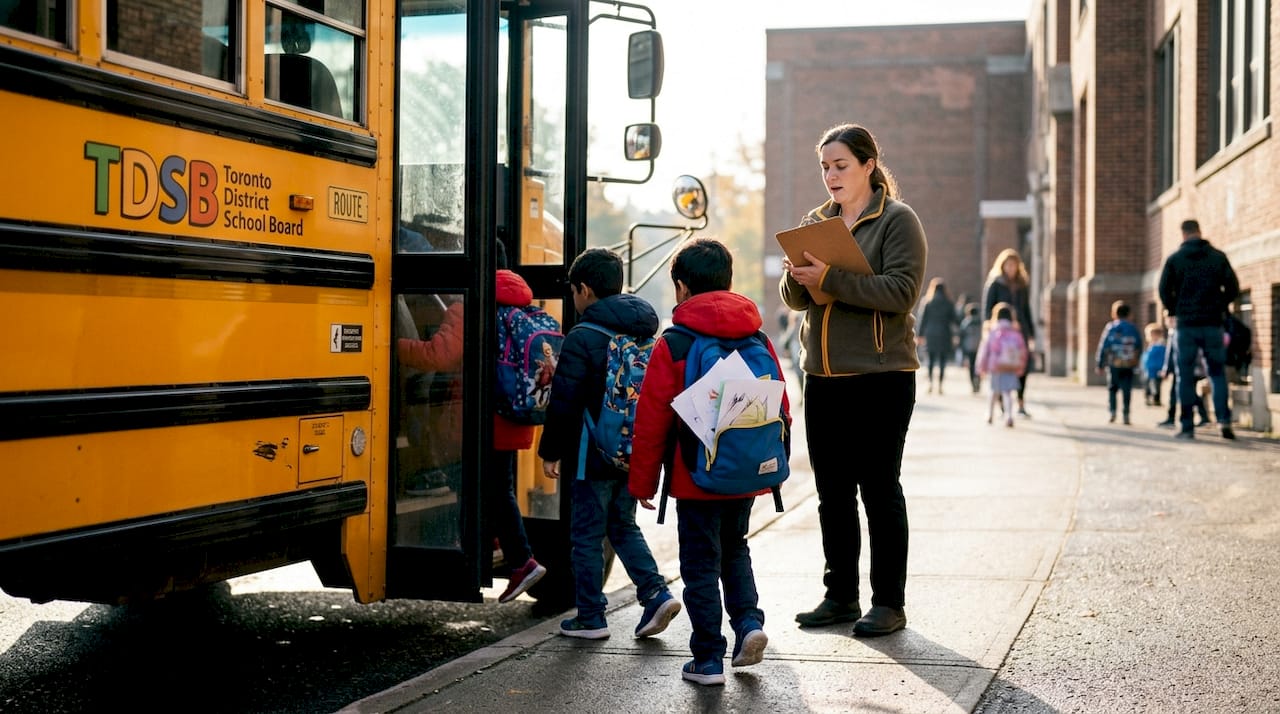
School bus rental is the service of hiring licensed school buses built to strict safety standards under Ontario’s RRO 1990 Reg 612 and CSA D250, with professional drivers for group transportation including school field trips, events, and student commutes in Toronto. These distinctive yellow vehicles represent more than simple transport. They embody decades of engineering focused on passenger protection, visibility, and operational reliability.
Typical school buses accommodate between 44 and 72 passengers, though smaller options exist for compact groups. The iconic design features high-backed seats, reinforced construction, and strategic emergency exits. Unlike standard commercial vehicles, school buses undergo rigorous inspections and must meet elevated safety thresholds before receiving operational licences.
Ontario’s regulatory framework governs every aspect of school bus operation. Drivers must possess specialised licences, complete annual training, and maintain clean driving records. Vehicle maintenance follows strict schedules, with documented inspections verifying brake systems, lighting, and structural integrity. These requirements create accountability that generic transport options rarely match.
Common applications include:
- Field trips to museums, science centres, or historical sites across the Greater Toronto Area
- Athletic competitions requiring team transport to venues throughout Ontario
- Educational conferences and workshops where student groups need coordinated arrival times
- Community events and volunteer activities involving youth participants
- Regular route services for schools without dedicated bus programmes
Professional drivers bring specialised expertise beyond standard commercial licensing. They understand student behaviour management, emergency protocols specific to young passengers, and route planning that accounts for school zone regulations. This training distinguishes school bus operators from general charter services.
“School buses remain the safest form of ground transportation for students, with accident rates significantly lower than passenger vehicles due to strict construction standards and driver qualifications.”
The 47 passenger school bus rental option particularly suits mid-sized groups, balancing capacity with manoeuvrability through Toronto’s urban landscape. This size handles most elementary and secondary school field trips without excess space that drives up costs unnecessarily.
Accessibility and special considerations for inclusive transportation
Accessible school buses transform group transportation for students with mobility challenges, ensuring every participant enjoys equal access to educational opportunities and events. These specialised vehicles incorporate wheelchair lifts, securement systems, and modified seating arrangements that accommodate diverse physical needs while maintaining the safety standards expected of all school buses.
CSA standards mandate minimum 3-point restraints for wheelchair securement, creating stability during transit that protects passengers from sudden stops or turns. Toronto District School Board contracts special needs transport using wheelchair buses, taxis, and smaller vehicles, recognising that different students require different solutions. This flexible approach ensures appropriate support rather than forcing one-size-fits-all arrangements.
Key accessibility features include:
- Hydraulic or electric wheelchair lifts rated for various weight capacities
- Designated securement positions with floor-mounted tie-down points
- Modified doorways and aisles providing clearance for mobility devices
- Communication systems allowing passengers with hearing impairments to interact with drivers
- Climate control accessible to passengers in wheelchair positions
Event organisers and school administrators must verify AODA compliance when booking accessible transport. Request documentation confirming vehicles meet current standards, and ask specific questions about driver training in mobility device securement. Reputable providers willingly share certification details and demonstrate equipment functionality during site visits.
Inclement weather creates additional considerations for accessible transport. Snow, ice, and heavy rain affect lift operations and passenger transfers. Discuss weather contingency plans during initial consultations, establishing clear communication protocols for potential delays or route modifications. Providers experienced with special needs transport maintain backup vehicles and flexible scheduling to accommodate weather-related challenges.
Mid-day routes for half-day programmes require careful coordination, particularly when students need transport home during lunch periods or between morning and afternoon sessions. Accessible buses may serve multiple schools or programmes, so confirm pickup and drop-off windows align with your specific schedule. Buffer time prevents rushed transfers that compromise safety.
Pro Tip: Schedule a pre-trip vehicle inspection for accessible rentals, allowing students to familiarise themselves with the bus layout, practice boarding procedures, and ask questions in a low-pressure environment. This preparation reduces anxiety and streamlines actual event-day operations.
The minibus rental Toronto category includes accessible options perfect for smaller groups requiring wheelchair accommodation. These vehicles offer the same safety features as full-sized buses whilst navigating tight urban spaces more easily, making them ideal for community events or specialised programmes with limited participant numbers.
Choosing the right school bus rental for Toronto events and schools
Selecting appropriate school bus rental requires evaluating multiple factors that impact safety, comfort, and budget efficiency. Group size represents the most obvious consideration, but route complexity, accessibility requirements, and trip duration equally influence which vehicle best serves your needs.
School bus sizes range dramatically across the rental market. An 18-passenger minibus handles small groups like debate teams or specialised class sections, whilst a 72-seat coach accommodates entire grade levels for major excursions. The 47-passenger option occupies the middle ground, offering versatility for typical school trips without unnecessary capacity.
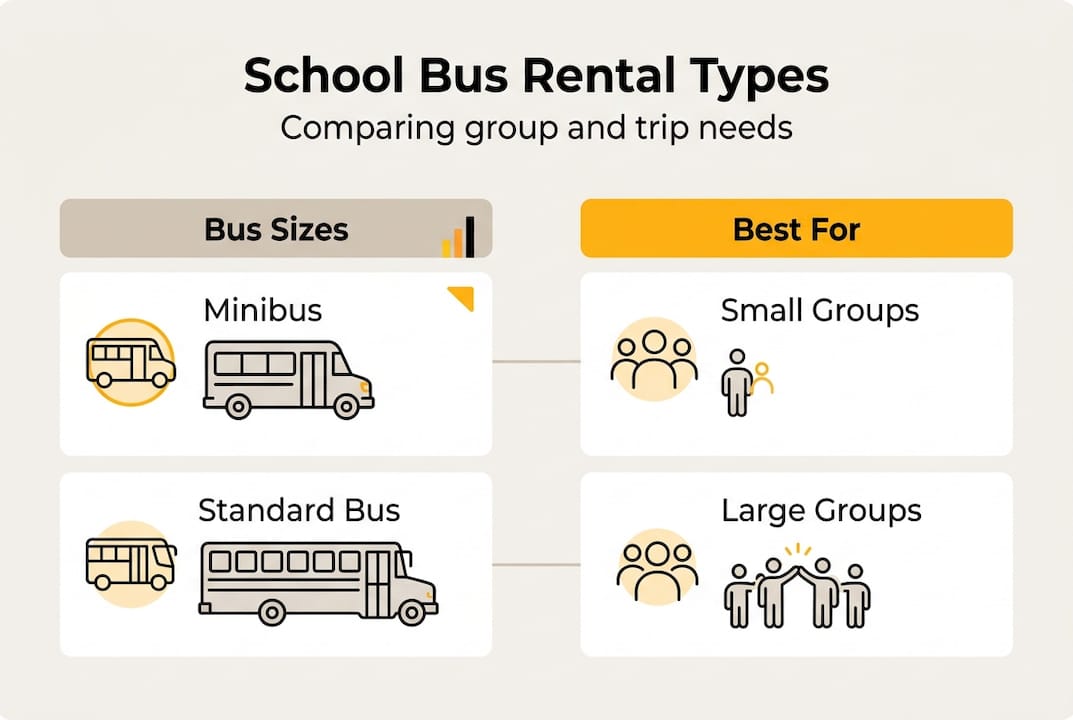
| Bus Type | Capacity | Best For | Typical Cost Range |
|---|---|---|---|
| Minibus | 18-25 passengers | Small groups, urban routes, accessible transport | Lower tier pricing |
| Mid-size | 35-47 passengers | Standard field trips, athletic teams, moderate distances | Mid-range pricing |
| Full-size | 54-72 passengers | Large school groups, multi-class trips, extended tours | Higher tier pricing |
Licensed providers demonstrate commitment to regulatory compliance through transparent documentation and established safety records. TDSB partners and approved vendors maintain rigorous standards, but independent operators may offer competitive rates whilst meeting identical safety requirements. Verify licensing status, insurance coverage, and driver qualifications regardless of provider size or reputation.
Factors warranting careful evaluation include:
- Route characteristics such as highway travel versus urban navigation
- Parking availability at destination venues
- Supervision ratios and seating configurations that support adult monitor positioning
- Storage capacity for equipment, lunches, or educational materials
- Backup vehicle availability if mechanical issues arise
Booking timelines significantly affect availability and pricing. Spring field trip season creates peak demand, with popular dates filling months in advance. Secure reservations at least six to eight weeks before your event, particularly for accessible vehicles or specialised configurations. Last-minute bookings risk limited options or premium pricing that strains budgets.
School buses excel for student groups prioritising safety and cost-effectiveness, but charter buses better suit adult events requiring amenities like onboard restrooms, reclining seats, or entertainment systems. Corporate outings, wedding guest transport, or multi-day tours often justify charter expenses through enhanced comfort. Recognise when your group’s needs extend beyond basic transportation.
Pro Tip: Request detailed quotes from three providers, comparing not just base rates but also fuel surcharges, driver gratuity policies, overtime fees, and cancellation terms. Hidden costs often emerge in fine print, so clarify total expenses upfront to avoid budget surprises.
Explore school bus rental options that match your specific group size and route requirements. Providers offering diverse fleet selections accommodate changing needs as your programme grows or event scope expands. For groups requiring frequent transport throughout the academic year, investigate group shuttle bus rental packages that bundle multiple trips at discounted rates.
Common challenges and smart solutions in school bus rentals
Even well-planned school bus rentals encounter obstacles that test organisational skills and provider relationships. Weather disruptions, scheduling conflicts, and coordination complexities require proactive strategies that minimise stress whilst maintaining safety as the paramount concern.
Inclement weather poses the most frequent challenge. Toronto’s school bus rental services must accommodate weather-related cancellations and mid-day routes for half-day programmes, requiring flexible scheduling and communication with providers. Heavy snowfall, ice storms, or severe thunderstorms may force last-minute cancellations that disappoint students and disrupt carefully planned itineraries.
Smart solutions for weather challenges:
- Establish clear cancellation criteria with your provider, defining conditions that trigger automatic postponement versus those requiring joint decision-making.
- Create backup dates when booking venues and coordinating chaperones, allowing quick rescheduling without restarting entire planning processes.
- Maintain direct communication channels with dispatch teams who monitor road conditions and vehicle readiness in real-time.
- Build weather contingency costs into budgets, accounting for potential additional fees if rescheduling occurs during peak periods.
- Communicate cancellation policies to parents and students early, managing expectations about weather-dependent events.
Mid-day routing for half-day kindergarten programmes or specialised schedules creates logistical puzzles. Buses serving morning routes may be committed to other schools during midday windows, limiting availability for return trips. Coordinate with providers about dedicated vehicles or flexible routing that accommodates your unique timing requirements.
Accessible transport coordination demands extra attention to detail. Wheelchair securement takes additional time at each stop, so build generous buffers into schedules. Confirm drivers possess current training in mobility device operation and passenger assistance. Verify backup accessible vehicles exist if your primary bus experiences mechanical issues, preventing situations where students with disabilities face transport barriers their peers avoid.
Pro Tip: Conduct a pre-trip driver briefing covering route specifics, student needs, emergency contacts, and venue parking logistics. This 15-minute investment prevents miscommunication that causes delays or safety concerns during actual trips.
Contingency planning extends beyond weather to mechanical failures, driver illness, or unexpected road closures. Reputable providers maintain backup vehicles and substitute drivers, but verify these resources exist before committing to contracts. Ask specific questions about response times if your assigned bus becomes unavailable hours before departure.
“Successful school bus rentals result from partnerships between organisers and providers who share commitment to student safety, clear communication, and flexible problem-solving when unexpected challenges arise.”
Service guarantees and cancellation policies vary dramatically across providers. Some offer full refunds for weather cancellations, whilst others apply rescheduling fees or credit-only policies. Read contracts carefully, negotiating terms that protect your organisation from financial loss due to circumstances beyond your control. Document all agreements in writing rather than relying on verbal assurances that prove difficult to enforce later.
Experienced providers bring institutional knowledge about Toronto routes, venue access, and seasonal challenges that newer operators lack. This expertise proves invaluable when problems emerge, as seasoned dispatchers quickly identify solutions drawing on years of operational experience. Prioritise provider track records over minimal cost savings that may reflect inexperience rather than efficiency.
Review bus rental tips for events that address common planning oversights and coordination strategies. Learning from others’ experiences helps you anticipate challenges and implement preventive measures that keep trips running smoothly.
Reliable school bus rental solutions for your Toronto group transportation needs
When your school or organisation requires dependable group transportation that prioritises safety, regulatory compliance, and cost-effectiveness, partnering with established providers eliminates uncertainty and streamlines the entire rental process. Toronto Bus Rentals offers comprehensive school bus and minibus options designed specifically for educational events, field trips, and group activities across the Greater Toronto Area.

Our fleet includes vehicles ranging from compact 18-passenger minibuses perfect for small groups to full-sized coaches accommodating entire grade levels, all maintained to exceed Ontario safety standards. Licensed drivers bring specialised training in student transport, route planning, and emergency protocols that distinguish professional school bus service from generic charter options. Flexible booking accommodates both single-day trips and recurring transport needs throughout the academic year, with transparent pricing that respects educational budgets.
Explore Toronto school bus rentals tailored to your specific group size and destination requirements. Our team assists with route planning, accessibility accommodations, and schedule coordination that accounts for Toronto’s unique traffic patterns and venue logistics. For smaller groups or specialised programmes, our minibus rental Toronto options deliver the same safety standards in more manoeuvrable packages. Discover comprehensive group transportations and shuttle services designed around your organisation’s unique needs, backed by responsive customer support and proven operational excellence. Contact us today for customised quotes and expert consultation that transforms transportation from a logistical challenge into a seamless component of successful events.
Frequently asked questions
What is the difference between school bus rental and charter bus rental?
School bus rentals use distinctive yellow buses built specifically for student transport, featuring high-backed seats, reinforced construction, and safety systems meeting Ontario’s strict RRO 1990 Reg 612 standards. Charter buses offer reclining seats, onboard restrooms, entertainment systems, and climate-controlled comfort suited for adult groups or extended tours. School buses prioritise safety and cost-effectiveness for educational trips, whilst charters emphasise amenities and passenger comfort for corporate events, weddings, or multi-day excursions.
How early should I book a school bus rental in Toronto?
Book school bus rentals at least six to eight weeks before your planned trip, particularly during peak spring field trip season when demand exceeds supply. Early reservations secure preferred vehicle sizes, ensure driver availability, and often qualify for advance booking discounts. Last-minute requests risk limited options, premium pricing, or complete unavailability during high-demand periods. Accessible buses and specialised configurations require even longer lead times due to limited fleet quantities.
Are school bus rentals in Toronto accessible for passengers with disabilities?
Many Toronto providers offer wheelchair-accessible buses meeting CSA and AODA standards, featuring hydraulic lifts, minimum 3-point securement systems, and modified interiors accommodating mobility devices. The Toronto District School Board contracts special needs transport through combination approaches using wheelchair buses, accessible taxis, and smaller vehicles tailored to individual student requirements. Verify accessibility features and driver training during booking consultations, requesting documentation confirming compliance with current standards.
What safety regulations govern school bus rentals in Ontario?
Ontario’s RRO 1990 Reg 612 and CSA D250 establish comprehensive construction and operational standards covering vehicle design, maintenance schedules, driver qualifications, and emergency equipment requirements. Licensed drivers must complete specialised training, maintain clean driving records, and pass annual recertification. Mandatory vehicle inspections verify brake systems, lighting, structural integrity, and safety equipment functionality. These regulations create accountability frameworks that distinguish licensed school bus rentals from unregulated transport options.
Can school bus rentals be cancelled or rescheduled due to bad weather?
Inclement weather including heavy snow, ice storms, or severe thunderstorms may trigger cancellations or delays based on safety assessments and road condition monitoring. Providers typically maintain weather cancellation policies outlining refund terms, rescheduling procedures, and communication protocols. Early dialogue with your rental company establishes clear decision-making criteria and backup date options. Review contract terms carefully, as cancellation policies vary significantly across providers regarding refunds versus credits for weather-related postponements.
Recommended
- School Bus Rental Toronto 2026: Book 2-4 Weeks Early for Best Rates
- Toronto School Bus Rentals
- School Trip Bus Rental Guide for Safe Group Travel
- Why rent buses in Toronto for smoother group travel